Langtang Valley Trek Difficulty
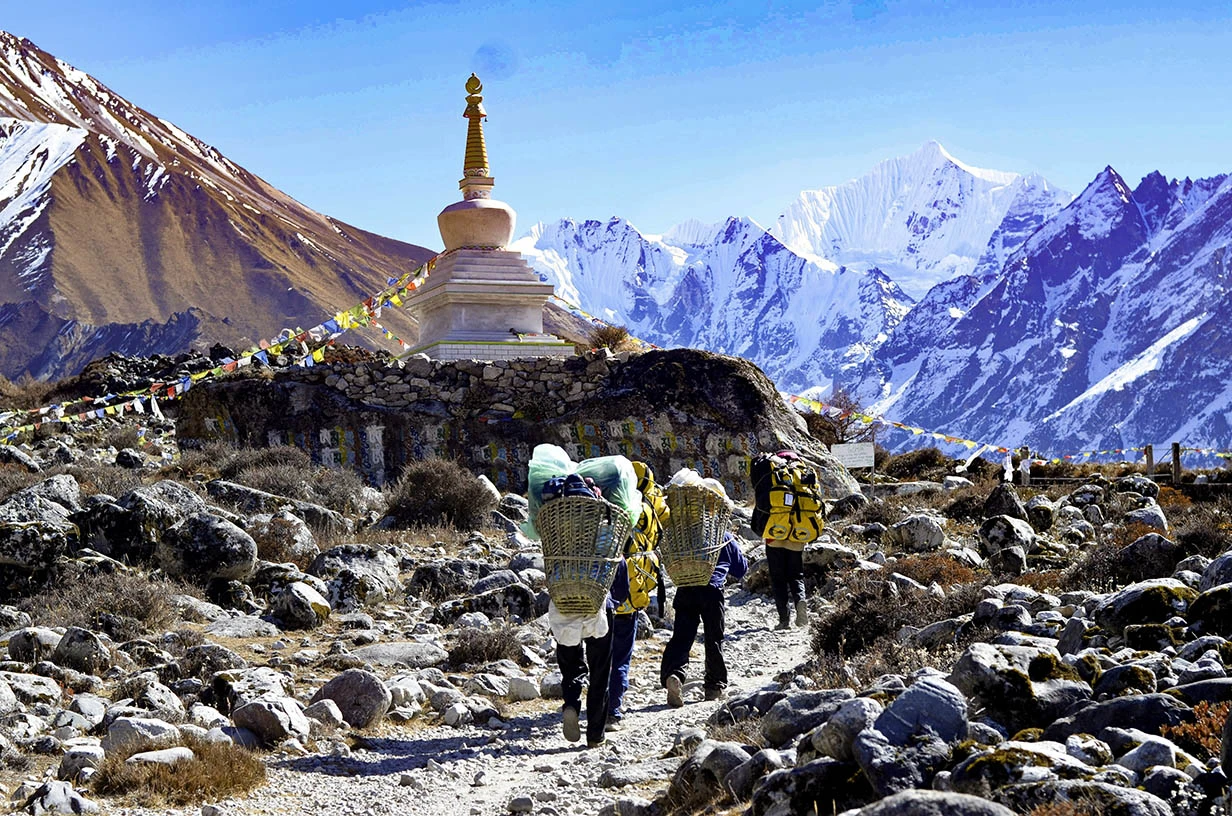
The Langtang Valley Trek is considered moderate and suitable for trekkers with average fitness levels. While prior trekking experience is beneficial, beginners can complete this trek with proper preparation and guidance. Expect to walk 5–7 hours a day on a mix of forest trails, rocky paths, and occasional steep ascents.
Altitude plays a role here — the trek reaches 4,984 m (Tserko Ri), where oxygen levels are thinner. Acclimatization and a steady pace are key to avoiding altitude sickness.
Weather in the Langtang region can be unpredictable — you might encounter rain, snow, or chilly winds, especially at higher elevations. Proper layering and rain protection are essential.
With the right mindset, preparation, and the support of our experienced team, the Langtang Valley Trek is a rewarding Himalayan adventure filled with breathtaking scenery and cultural immersion.
Altitude Sickness and How to Prevent It
Altitude sickness (Acute Mountain Sickness – AMS) can occur above 3,000 m, especially if you ascend too quickly. In rare cases, it can lead to serious conditions like High Altitude Cerebral Edema (HACE) or High Altitude Pulmonary Edema (HAPE).
Common symptoms include:
- Insomnia: Difficulty sleeping at high altitudes.
- Drowsiness: Feeling unusually sluggish.
- Fatigue: Getting tired easily.
- Dizziness or Lightheadedness: Warning sign of altitude effects.
- Nausea or Vomiting: Common in moderate to severe AMS.
- Shortness of Breath: Difficulty breathing due to low oxygen levels.
Prevention tips:
- Ascend gradually and take rest days (we have one in Kyanjin Gompa).
- Stay well-hydrated (3–4 liters per day).
- Avoid alcohol and smoking during the trek.
- Listen to your body — descend immediately if symptoms worsen.
Preparation Guide for the Langtang Valley Trek
The Langtang Valley Trek demands good stamina and leg strength. Training 1–2 months in advance will make your experience smoother.
Training recommendations:
- Cardio: Jogging, brisk walking, cycling, or swimming to boost endurance.
- Strength: Squats, lunges, stair climbing, and hiking with a loaded backpack.
- Flexibility & Balance: Yoga or stretching to prevent injuries.
- Mental Preparation: Practice patience and positivity — vital for multi-day treks.
- Healthy Diet: Fuel your body with proteins, complex carbs, and healthy fats before and during the trek.
Safety is Our Number One Priority
At Admiral Adventure Treks, your safety always comes first. The Langtang Valley may be less crowded than Everest or Annapurna, but it’s still a remote Himalayan region where preparation matters.
We ensure:
- Fully licensed and experienced local guides.
- Trained staff in first aid and altitude response.
- Careful selection of teahouses with hygienic food and clean drinking water.
- Assistance in arranging proper gear and clothing for all conditions.
- Constant monitoring of weather and trail conditions.
- From start to finish, our guides are there to keep you safe, comfortable, and informed every step of the way.
Travel Insurance for Langtang Valley Trek
We require all trekkers to have valid travel insurance before starting the Langtang Valley Trek. This is essential due to the remote location and altitude.
Your insurance should cover:
- Emergency medical evacuation (including high-altitude helicopter rescue).
- 24/7 emergency assistance.
- Coverage for trekking up to 5,000 meters.